 SolarSavings
What is the 3kW solar price in Rajasthan in 2026? A 3kW system is the most popular choice for typical 2 to 3-BHK families running 1 to 2 air conditioners, a refrigerator, washing machine, and daily household lights. Here is the complete 2026 breakdown of actual equipment costs, central and state subsidies, and monthly power bill savings across Jaipur, Jodhpur, Udaipur, Kota, Ajmer and Bikaner.
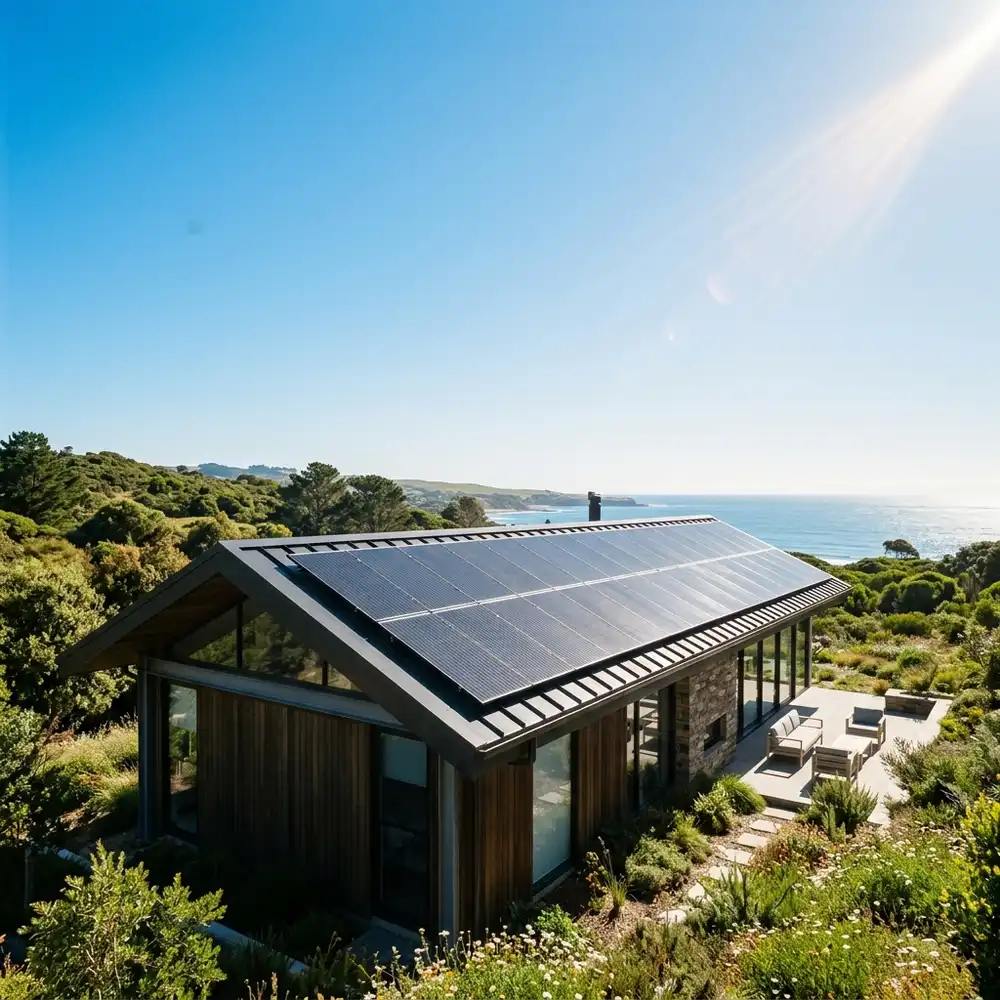
1. Realistic 3kW Solar System Pricing in Rajasthan (2026 Rates), 3kW solar price in Rajasthan
The 3kW solar price in Rajasthan after subsidy is the sweet spot for Rajasthan homes using 300-400 units a month. A 3 kW system captures the maximum ₹78,000 central CFA. Here is the full cost breakup, from panels to net meter.
| Component / Item | Standard Mono PERC (540Wp) | Premium TOPCon Bifacial |
|---|---|---|
| Gross Turnkey Cost | ₹1,65,000 | ₹1,85,000 |
| PM Surya Ghar Central Subsidy | -₹78,000 | -₹78,000 |
| State Policy Benefit | Highest Tariff Savings: Wipes out peak ₹12-14/unit consumption slabs | Highest Tariff Savings: Wipes out peak ₹12-14/unit consumption slabs |
| Net Out-of-Pocket Cost | ₹87,000 (approx) | ₹1,07,000 (approx) |
| Estimated Payback Period | 2.4 – 3.2 Years | 2.8 – 3.5 Years |
2. Daily Power Output & Roof Space Needed in Rajasthan
How much power does a 3kW plant actually produce under real weather conditions in Rajasthan?
- Daily Power Generation: A 3kW system produces an average of 12 to 14 units (kWh) per day. During bright summer months, output easily touches 15 units. In winter or cloudy monsoon days, it averages 8 to 10 units.
- Monthly & Yearly Output: You generate roughly 360 to 420 units per month, or roughly 4,500 units per year. This covers the entire electricity consumption of a typical 2 to 3-BHK home.
- Roof Area Required: You need approximately 250 to 300 square feet of completely shadow-free flat roof space. If you install six 540W panels, each panel measures roughly 7.4 feet by 3.7 feet.
- Direction & Tilt: Panels must face true South at an optimum tilt angle of 22 to 28 degrees to capture maximum sunlight year-round.
3. Appliances You Can Power Smoothly
A grid-tied 3kW solar system works seamlessly alongside your normal power connection from JVVNL (Jaipur Vidyut Vitran Nigam Ltd), JVVNL, AVVNL and JdVVNL. Your panels power your active appliances in real time, and any extra power needed is automatically drawn from the grid without any flickering or interruption:
Runs 6 to 8 daytime hours completely on solar power without consuming grid units.
Runs 24/7. Daytime consumption is 100% offset by your rooftop panels.
Operates 45 to 60 minutes daily during peak midday sunshine at zero power cost.
All standard household lighting, LED TVs, and work-from-home computers covered effortlessly.
4. Financial Math: How It Pays for Itself in ~3 Years
Let us examine the realistic financial return. If your average electricity consumption is around 380 to 400 units a month, your monthly power bill without solar would be roughly ₹2,500 to ₹3,500 depending on slab charges:
- Annual Power Bill Savings: 4,500 units × average utility tariff rate = ₹28,000 to ₹35,000 saved per year.
- State Regulatory Advantage: Because Jaipur Vidyut Vitran Nigam Ltd and Jaipur utilities charge the highest domestic power rates in India, rooftop solar systems in Rajasthan deliver payback in as little as 2.8 to 3.2 years.
- Payback Calculation: Your net cost after PM Surya Ghar subsidy is around ₹87,000. Dividing your net investment by your annual savings gives a rapid payback time of just 2.5 to 3.2 years!
- 25-Year Value: After year three, all electricity produced for the remaining 22 years of panel warranty is pure financial profit, saving you over ₹8 Lakhs over the plant's lifetime.
5. Step-by-Step Installation Process in Rajasthan
- Apply Online: Register on the PM Surya Ghar National Portal (
pmsuryaghar.gov.in) using your consumer account number with JVVNL (Jaipur Vidyut Vitran Nigam Ltd), JVVNL, AVVNL and JdVVNL. - Technical Feasibility Approval: The local DISCOM engineer reviews and approves your rooftop connected load online within 3 working days.
- Empanelled Vendor Contract: Sign a turnkey installation contract with an ALMM-registered vendor using Made-in-India (DCR) certified solar cells.
- Structure & Inverter Setup: The installer mounts the galvanized iron frame, installs the panels and on-grid inverter, and uploads the Work Completion Report (WCR).
- Bi-directional Net Meter: The DISCOM team inspects the setup, installs the bi-directional meter, and your central subsidy is transferred directly into your Aadhaar-linked bank account within 30 days.