 SolarSavings
This residential solar in Rajasthan guide shows how rooftop systems are transforming homes across Rajasthan from passive electricity consumers into self-reliant green power stations. Whether you live in an independent villa, row house, or builder floor, here is the complete 2026 home solar blueprint across Jaipur, Jodhpur, Udaipur, Kota, Ajmer and Bikaner.
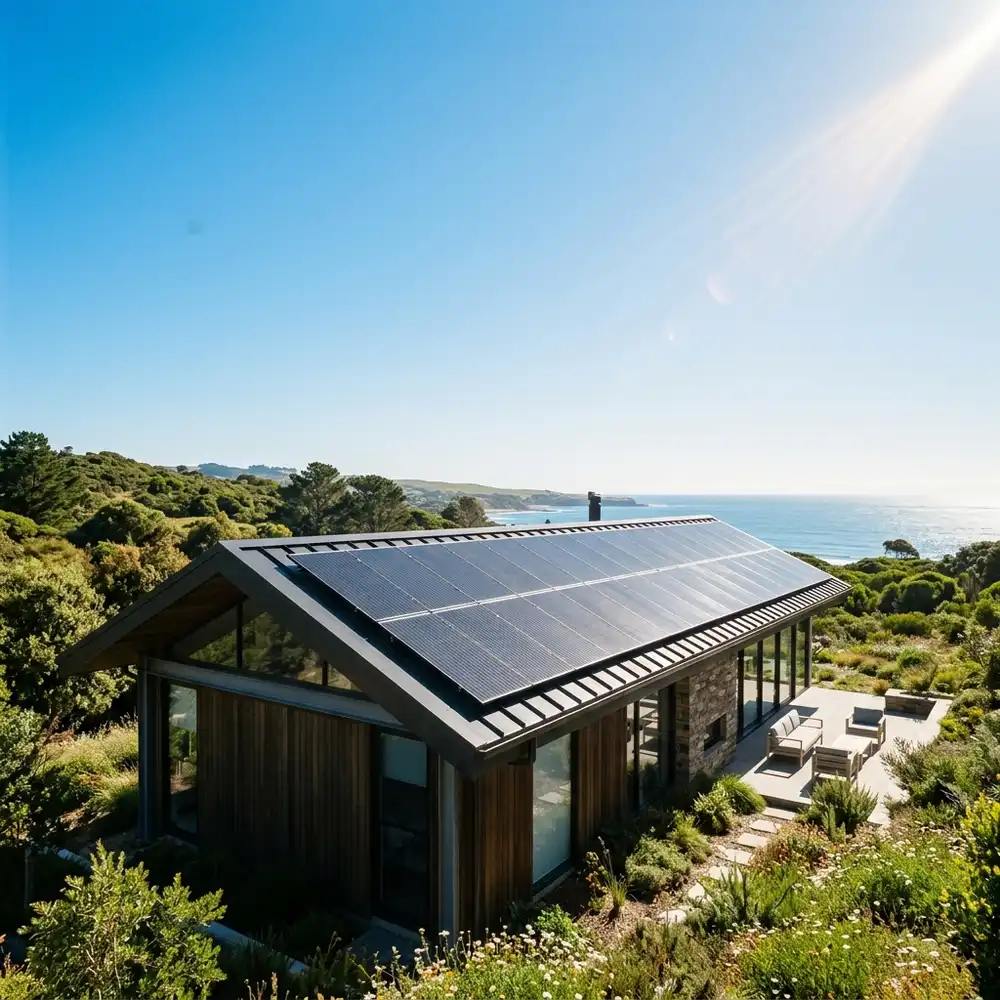
1. Assessing Rooftop Suitability for Home Solar in Rajasthan, residential solar in Rajasthan
residential solar in Rajasthan starts with three questions: how much do you consume, how much roof do you have, and which way does it face? This guide answers all three.
- RCC Concrete Slabs vs Sloped Metal Roofs: Reinforced concrete (RCC) roofs are ideal in Rajasthan. Installers use elevated ballasted or anchor-bolted aluminum frames that allow you to walk freely on the roof. Sloped tin sheds or profile sheets require direct clamp mounting without puncturing the metal sheets.
- Shadow Analysis: Ensure your roof is free from shadows cast by neighboring multi-story buildings, mobile towers, or large trees between 9:00 AM and 4:00 PM. A shadow falling on even 10% of a solar panel can trigger bypass diodes and reduce the output of the whole panel string by up to 50%!
- Rooftop Usability: If you use your terrace for gardening, drying clothes, or evening walks, you can opt for an elevated structure (8 to 9 feet clearance) creating a cool shaded pergola below your solar canopy.
2. Sizing Your Home Solar System
| Monthly Electricity Bill | Typical Home Size | Recommended System | Roof Area Required |
|---|---|---|---|
| ₹1,200 – ₹2,200 | 1 to 2 BHK (Fans, fridge, 1 TV) | 1 kW – 2 kW | 100 – 180 sq. ft. |
| ₹2,500 – ₹4,500 | 2 to 3 BHK (1-2 Inverter ACs) | 3 kW | 250 – 300 sq. ft. |
| ₹5,000 – ₹8,500 | 3 to 4 BHK / Villa (3+ ACs, EV) | 5 kW | 400 – 500 sq. ft. |
| ₹10,000+ | Large Bungalow / Joint Family | 7 kW – 10 kW | 600 – 900 sq. ft. |
3. Apartment Societies & Virtual Net Metering in Rajasthan
If you live in a multi-story apartment complex or housing society in Rajasthan, you can still reap solar rewards:
Virtual Net Metering (VNM): Under RERC Grid Interactive Rooftop Renewable Energy Regulations, the society installs a large central solar plant on the shared terrace. The electricity generated is fed to the grid, and energy credits are split proportionately among individual flat owners on their monthly electricity bills based on their subscribed share.
4. Waterproofing & Roof Protection Standards
Many homeowners fear that drilling anchor fasteners into the roof slab could cause monsoon water leakage. Reputable installers eliminate this risk by using:
- Chemical Grouting: Pre-drilled anchor holes are filled with industrial epoxy resin (Hilti or equivalent) before inserting stainless steel expansion bolts.
- Pre-cast Concrete Ballast Blocks: On delicate roof membranes or tiled terraces, installers use heavy pre-cast concrete blocks that hold the frames firmly against wind speeds of 150 km/h without piercing the roof slab at all.
- Dual Water Seal: Neoprene rubber gaskets and waterproof silicone sealant are applied over every foundation plate.
Frequently Asked Questions: Home Solar in Rajasthan
Does installing rooftop solar damage roof waterproofing?
Not when installed by verified empanelled installers. On concrete terraces, installers use chemical grouting epoxy resin or pre-cast concrete ballast blocks that hold the frames firmly against wind speeds of up to 150 km/h without piercing the roof slab at all.
Does rooftop solar increase property resale value in Rajasthan?
Yes. Real estate surveys confirm that homes with active rooftop solar plants and net metering sell 15% to 20% faster and command a 4% to 6% higher property valuation, as prospective buyers love the prospect of zero monthly electricity bills.
Can tenants in rented houses install solar?
Tenants can install solar only if the property owner signs a formal No Objection Certificate (NOC) and the electricity meter connection is in the landlord or registered tenant's name as recognized by JVVNL (Jaipur Vidyut Vitran Nigam Ltd), JVVNL, AVVNL and JdVVNL.
💡 Rooftop Engineering Tip: True South Azimuth Alignment in Rajasthan
When solar panels are installed on concrete roofs across Rajasthan, never align frames using a handheld magnetic compass without adjusting for magnetic declination. A magnetic compass points to Magnetic North, which diverges from True Geographic North by 1.5 to 2.5 degrees depending on your exact latitude. Professional solar installers use solar shadow ephemeris calculations or GPS mapping tools to align the array to True South, ensuring that maximum solar insolation strikes the panel face at solar noon every single day.